Week 1 - Dressed to Kill
|
Lecture notes |
|
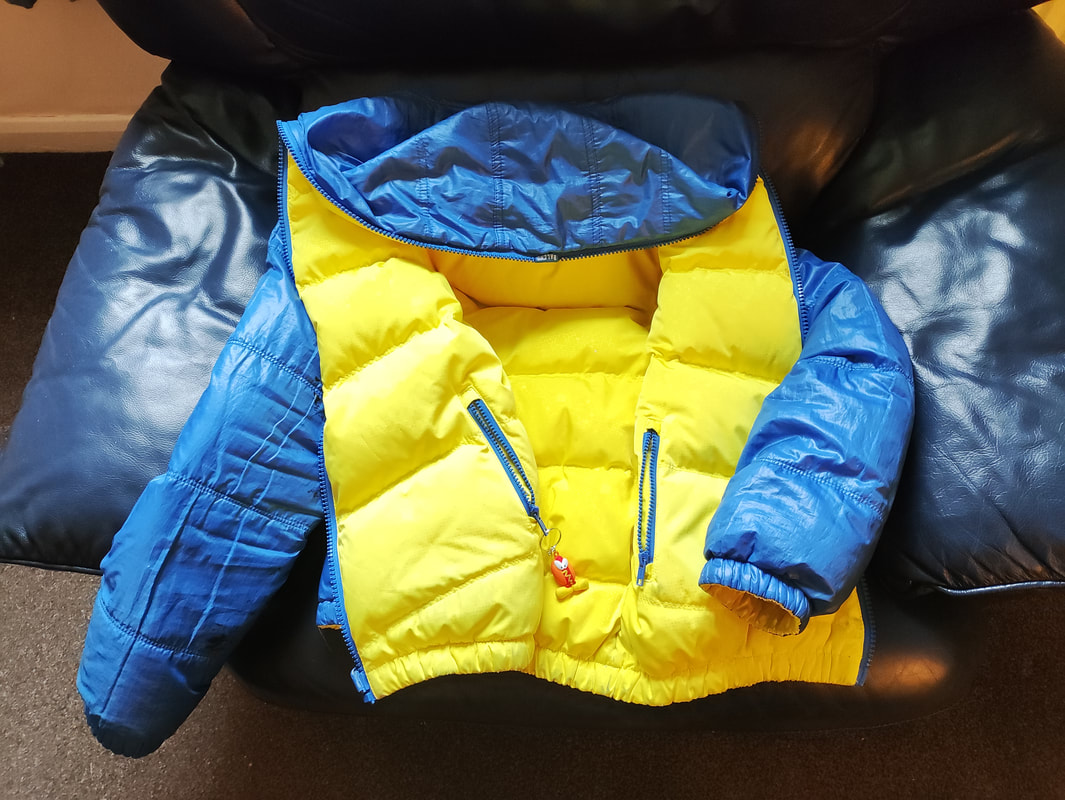
This is a reversible puffer coat. Besides the colour, the materials used for both sides are not the same, with the yellow side being made fully from polyester and the blue side mostly consists of down. Insulation-wise, down is better because it naturally traps the air within it, but this function is hindered when wet. Whereas polyester can still insulate the body in wet weather.
It also dries faster and is more durable than down, as it is heavier and bulkier. This is interesting as making a reversible coat out of these two materials leaves the wearer with more flexibility as it becomes a two-in-one deal. The wearer does not have to worry about choosing between a warm winter coat and a lightweight raincoat.
With that said, I have worn this coat for around four years (although my uncle owned it for a while before I did), and it may be convenient, but I do sometimes choose a light rain poncho when possible as I dislike how bulky it feels around my arms. The tag inside the pocket says ‘enjoy the softness and lightness that [wraps around] your body’. This is a promise well-kept.
A rare, but fun addition to this coat would be the fact that it can be zipped all the way up to the top of the hood. This is beneficial to the maintenance of the wearer’s body temperature, as it keeps the entire head warm. I believe this would only be effective if one were to sleep in the coat, since having the hood zipped would obscure the wearer’s vision. To allow this feature to be fully functional, transparent and flexible plastic pieces – potentially shaped like goggles – could be included inside the hood.
It also dries faster and is more durable than down, as it is heavier and bulkier. This is interesting as making a reversible coat out of these two materials leaves the wearer with more flexibility as it becomes a two-in-one deal. The wearer does not have to worry about choosing between a warm winter coat and a lightweight raincoat.
With that said, I have worn this coat for around four years (although my uncle owned it for a while before I did), and it may be convenient, but I do sometimes choose a light rain poncho when possible as I dislike how bulky it feels around my arms. The tag inside the pocket says ‘enjoy the softness and lightness that [wraps around] your body’. This is a promise well-kept.
A rare, but fun addition to this coat would be the fact that it can be zipped all the way up to the top of the hood. This is beneficial to the maintenance of the wearer’s body temperature, as it keeps the entire head warm. I believe this would only be effective if one were to sleep in the coat, since having the hood zipped would obscure the wearer’s vision. To allow this feature to be fully functional, transparent and flexible plastic pieces – potentially shaped like goggles – could be included inside the hood.
Week 2 - The Image of Passion
|
Lecture notes |
|
The World of Wrestling from Mythologies by Roland Barthes
|
Week 3 - Reading Words & Images
Week 4 - Decoding Advertising
Week 5 - The Graphic Code of Comic Books
Week 6 - Subculture & The Meaning of Style
Week 7 - The Research Journey
|
Essay in theory
|
|
|
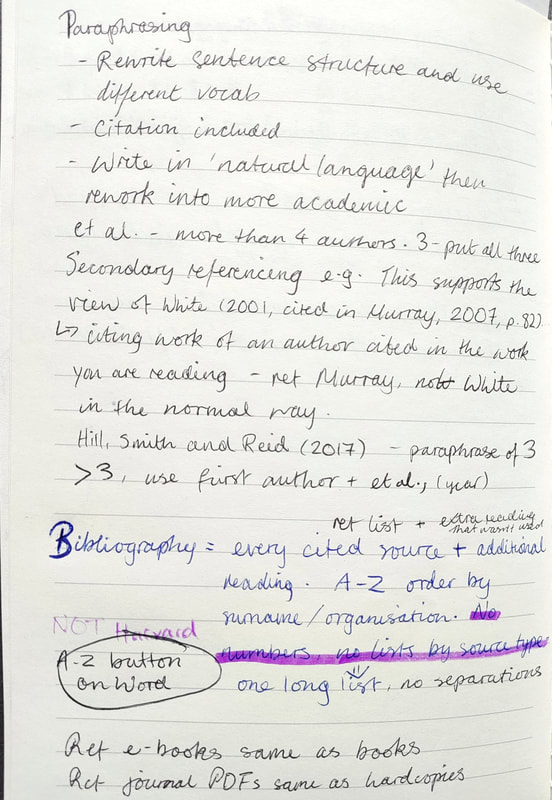
Week 8 (1) - Guide to Citation & Referencing
|
Essay in practice |
|

|
Week 8 (2) - Global Culture & Ethical Design
*(rescheduled)